A healthy smile depends on more than brushing when you remember or scheduling an appointment only when something hurts. Regular preventive care can help catch small concerns early, protect your teeth and gums, and reduce the likelihood of more involved treatment later. If you’re searching online for a local dentist in Roswell, GA, look for a practice that emphasizes consistent checkups, personalized guidance, and a comfortable experience.
Why Preventive Dental Care Matters
Tooth decay and gum disease can develop gradually, sometimes without obvious discomfort at first. A dental exam gives a dentist the opportunity to look for early signs of these problems, as well as changes in your bite, existing restorations, and the soft tissues of your mouth. Finding an issue early may mean that care can be simpler and less extensive.
Prevention also helps you understand what is working—and what could use adjustment—in your daily routine. For example, you may be brushing too hard, missing areas along the gumline, or using a toothbrush that no longer cleans effectively. Small changes can make your home care more effective between visits.
The recommended schedule varies from person to person. Many people benefit from checkups and cleanings about every six months, but your dentist may suggest a different interval based on your oral health, medical history, and risk factors. Follow the schedule recommended for you rather than assuming that the same timing is right for everyone.
What to Expect at a Preventive Visit
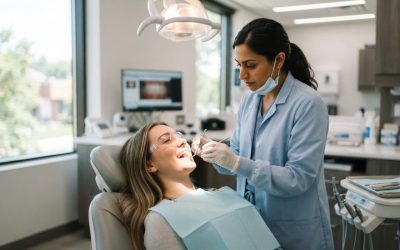
A routine appointment commonly includes a review of your health history, an examination, and a professional cleaning. Be sure to tell the dental team about new medications, health conditions, pregnancy, or changes in your health. Some medicines and medical conditions can affect saliva, gum health, or the way your mouth responds to treatment.
During the exam, the dentist may check for cavities, gum inflammation, worn enamel, and signs of damage to teeth or dental work. X-rays are not necessarily needed at every visit; the dentist can recommend them when they are appropriate for evaluating areas that cannot be seen during a visual exam. A cleaning removes plaque and hardened tartar from places that regular brushing and flossing may not reach.
Depending on your needs, preventive services may include fluoride treatment or dental sealants. Fluoride can help strengthen enamel, while sealants create a protective coating over the grooves of certain back teeth. These options are often discussed for children, but a dentist can help determine whether either may be useful for an adult, too.
Build Strong Habits Between Appointments
Professional care works best alongside a steady home routine. Brush twice a day for two minutes with a soft-bristled toothbrush and fluoride toothpaste. Angle the bristles toward the gumline and clean every surface, including the backs of the teeth. Replace your toothbrush or brush head about every three to four months, or sooner if the bristles become frayed.
Clean between your teeth daily with floss or another tool recommended by your dental professional. This step matters because a toothbrush cannot thoroughly reach the tight spaces where plaque can collect. If floss feels difficult to use, ask about alternatives such as floss holders or interdental brushes.
Food and drink choices also affect oral health. Frequent sugary snacks and sweetened drinks give cavity-causing bacteria more opportunities to produce enamel-damaging acids. Water is a helpful everyday choice, and limiting how often you sip sugary beverages can reduce repeated acid exposure. If you use tobacco, consider asking a health professional about support for quitting, since tobacco use can harm gum health and raise the risk of oral disease.
Personalize Prevention for Your Needs
Preventive care is not one-size-fits-all. A history of cavities, gum disease, dry mouth, orthodontic treatment, or dental restorations may influence your care plan. Children may need guidance as their teeth develop, while adults may benefit from monitoring gum recession, enamel wear, or older fillings and crowns. People with diabetes or other health conditions should share that information with their dentist because oral and overall health can affect each other.
Make the most of your visit by preparing questions in advance. Ask which areas need extra attention, whether your cleaning schedule should change, and what steps could help address any risks identified during the exam. If you feel anxious, let the team know; discussing concerns and agreeing on ways to pause can make appointments more manageable.
Know When to Call Between Visits
Preventive appointments are important, but do not wait for your next scheduled checkup if you notice persistent tooth pain, bleeding or swollen gums, a loose tooth, a broken filling, or a sore that does not heal. Contact a dental professional for guidance. Severe swelling, fever, or difficulty swallowing or breathing calls for urgent medical attention.
Consistent exams, professional cleanings, and practical daily habits work together to protect your smile. By keeping up with recommended visits, asking questions, and following a routine tailored to your needs, you can address concerns earlier and support lasting oral health.