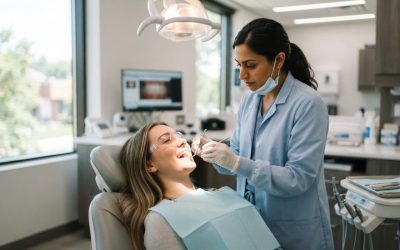
A routine dental visit generally combines a professional cleaning with an examination of teeth, gums, and jaw structure to catch problems early. These appointments form the backbone of preventive oral health and are typically recommended twice a year for most patients.
General dental care covers the foundational services that keep a mouth healthy between more specialized procedures. This includes cleanings, exams, X-rays, and basic preventive guidance tailored to a patient’s age and risk factors. For residents in St. Clair Shores, MI, understanding what happens during these visits can reduce anxiety and help patients prepare questions for their provider.
What Happens During a Typical Appointment
Most routine visits follow a predictable sequence, though the exact order can vary by office.
1. Review of medical and dental history – Staff typically ask about changes in medications, health conditions, or symptoms since the last visit.
2. Professional cleaning – A hygienist removes plaque and tartar buildup, particularly in areas regular brushing misses.
3. Visual examination – A dentist checks for signs of decay, gum inflammation, or oral lesions.
4. X-rays (as needed) – Imaging is not done at every visit but is used periodically to spot issues below the gumline or between teeth.
5. Discussion of findings – Patients usually receive a summary of any concerns along with recommendations.
The American Dental Association notes that regular dental visits allow problems to be identified and treated before they become more serious. This makes consistency more valuable than any single visit.
Why Routine Visits Matter for Long-Term Oral Health
Skipping routine care often means minor issues go unnoticed until they cause pain or require more invasive treatment.
• Early-stage cavities can sometimes be managed with less invasive options than advanced decay.
• Gum disease caught in its earliest stage is generally easier to manage than when it progresses.
• Oral cancer screenings performed during routine exams can identify abnormalities before symptoms appear.
Climate and lifestyle factors in St. Clair Shores, MI, such as seasonal dietary changes or sports participation during warmer months, can also influence oral health patterns that a dentist may flag during a checkup.
How Often Should You Schedule a Visit
|
Patient Profile |
Typical Recommended Frequency |
Notes |
|
Low-risk adults |
Every 6 months |
Standard interval for most patients |
|
Higher-risk patients (gum disease history, smokers) |
Every 3-4 months |
More frequent monitoring often advised |
|
Children |
Every 6 months |
Helps track developmental changes |
|
Patients with no recent dental issues |
As advised by provider |
Some may extend intervals based on individual risk |
Frequency recommendations are not one-size-fits-all. A provider typically adjusts the schedule based on an individual’s oral health history and risk factors rather than applying a blanket rule.
Preparing for Your Visit
A few simple steps can make appointments more efficient and productive.
• Bring a list of current medications and any recent changes in health status.
• Note any sensitivity, pain, or changes noticed since the last visit.
• Arrive a few minutes early if paperwork or insurance verification is required.
Based in USA, DiPilla Dentistry of St. Clair Shores serves patients across St. Clair Shores, MI, offering a point of reference for residents seeking preventive dental services in the area.
Frequently Asked Questions
Does every visit include X-rays? No. X-rays are typically taken on a periodic basis rather than at every single appointment, depending on a patient’s history and risk level.
Is a routine visit painful? Cleanings and exams are generally not painful, though patients with sensitive teeth or existing gum inflammation may experience mild discomfort.
What if a problem is found during the exam? The dentist will usually explain the finding and discuss next steps, which may include a follow-up appointment or referral for specialized treatment.
Can children and adults follow the same visit schedule? Both groups are often advised to visit every six months, though a provider may adjust timing based on individual developmental or health factors.
Routine visits remain one of the most consistent ways to monitor oral health over time, and understanding the process can help patients approach appointments with clear expectations. Published details for DiPilla Dentistry of St. Clair Shores are available for those reviewing local service area information.